

For many Australians considering a lifestyle change, moving to Cairns offers the chance to enjoy a slower pace of life surrounded by some of the country’s most spectacular natural environments. Located in Far North Queensland, Cairns has grown into a vibrant regional city that attracts professionals, families, and retirees looking for a balance between work, outdoor living, and community.
Before relocating, however, it’s helpful to understand what day-to-day life in the region is really like. This Cairns relocation guide explores practical considerations, including climate, housing, employment, and lifestyle, so you can prepare for a smoother transition.
Why More People Are Moving to Cairns
In recent years, regional Queensland has experienced steady population growth as more Australians seek lifestyle opportunities beyond major capital cities. For many, moving to Cairns is driven by the appeal of tropical surroundings combined with the services of a well-established regional centre.
Several factors contribute to Cairns’ growing popularity:
- A relaxed pace of life compared with larger metropolitan areas
- Easy access to natural attractions such as the Great Barrier Reef and tropical rainforests
- A growing number of remote work opportunities
- A strong sense of local community
While Cairns is well known as an international tourism destination, it is also a functioning regional city with hospitals, schools, universities, and a diverse local economy.
What Living in Cairns Is Really Like
Understanding the realities of living in Cairns can help you adapt more easily after relocating. The city offers a unique environment compared with many southern Australian locations, particularly when it comes to climate and lifestyle patterns.
One of the most noticeable differences is the tropical climate. Cairns experiences two main seasons: a wet season and a dry season. The wet season, typically from November to April, brings higher humidity and regular rainfall. During the dry season, the weather is generally sunny, warm, and comfortable.
Residents often adjust their routines to suit the climate. Early morning outdoor activities are popular, and homes are typically designed to maximise airflow and cooling. Air conditioning is considered an essential feature for most households.
The overall Cairns lifestyle is often described as relaxed and outdoors-focused, with many locals spending weekends exploring beaches, rainforest areas, and nearby islands.
Choosing the Right Area to Live in Cairns
Cairns offers a variety of neighbourhoods that cater to different lifestyles and priorities. When moving to Cairns, selecting the right suburb can have a significant impact on your daily routine and commuting times.
Some residents prefer the northern beach suburbs, such as Trinity Beach and Palm Cove, where coastal living and scenic views are a major attraction. These areas offer a quieter environment while still providing access to local amenities.
Others choose to live closer to the Cairns city centre, where apartments and townhouses provide convenient access to workplaces, shopping, and restaurants.
Southern suburbs may appeal to families looking for larger homes and established residential communities. These areas often offer more space and may be closer to schools or sports facilities.
Exploring different areas before relocating can help you determine which environment best suits your lifestyle.
Cost of Living in Cairns
For many people researching living in Cairns, understanding the cost of living is an important part of relocation planning.
Housing prices in Cairns can vary depending on location and property type. Coastal suburbs and areas close to the city centre may command higher prices, while outer suburbs can offer more affordable options.
Other everyday expenses to consider include:
- Groceries and household goods
- Electricity and utilities, which may increase with air conditioning use
- Transport and fuel costs
- Insurance, particularly in tropical regions
While Cairns may offer more affordable housing than some major capital cities, it’s still important to budget carefully when planning a move.
Employment Opportunities in Cairns
Cairns supports a diverse regional economy, with several key industries providing employment opportunities.
Tourism remains one of the largest sectors, supporting jobs in hospitality, travel services, marine operations, and visitor attractions. Healthcare and education also play major roles, with hospitals, schools, and universities employing many local residents.
Other industries contributing to the local economy include construction, retail, environmental services, and aviation.
With the rise of remote and hybrid work arrangements, some people relocating to Cairns continue working for companies based in larger cities while enjoying the benefits of regional living.
Schools and Education Options
Families moving to Cairns will find a range of education options across the region. The city offers both public and private schools, along with early learning centres and secondary education facilities.
For tertiary education, James Cook University operates a campus in Cairns, offering courses in areas such as environmental science, health, and marine studies. Vocational training and technical education are also available through local institutions.
Access to education is generally well supported across the region, making Cairns a practical option for families relocating within Queensland or from interstate.
Things People Don’t Expect When Moving to Cairns
While the tropical environment is part of Cairns’ appeal, there are a few realities that new residents sometimes underestimate.
Humidity can be an adjustment for those relocating from cooler climates. During the wet season, temperatures may feel warmer due to the moisture in the air.
Wildlife is also part of everyday life in tropical North Queensland. Insects, birds, and other animals are common in residential areas, particularly near rainforest environments.
Another consideration is distance from major capital cities. Travelling to southern states may require longer flights and additional planning.
Preparing for these factors before relocating can make the transition to living in Cairns much smoother.
Lifestyle and Weekend Activities
One of the biggest advantages of relocating to Cairns is the variety of outdoor experiences available throughout the region. The Cairns lifestyle is strongly connected to nature and recreation.
Popular weekend activities include visiting the Great Barrier Reef, exploring nearby waterfalls and rainforest walking tracks, or relaxing along the northern beaches.
Local markets, community events, and outdoor dining also contribute to Cairns’ relaxed social atmosphere. Many residents find that the natural surroundings encourage a healthier and more active lifestyle.
Tips for Planning Your Move to Cairns
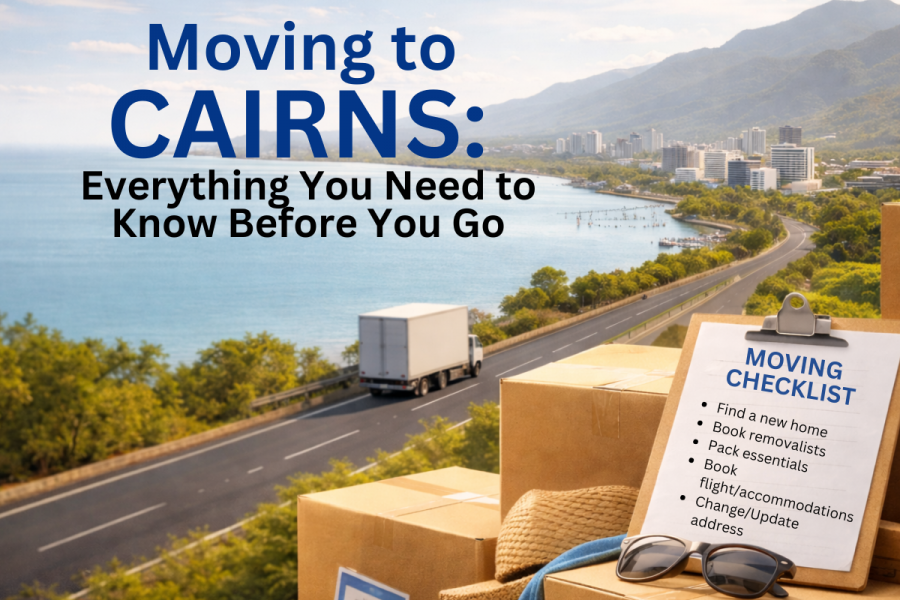
If you are preparing for a relocation, careful planning can make moving to Cairns significantly easier.
A few practical steps to consider include:
- Booking removalists early, especially for long-distance moves
- Decluttering before packing to reduce transport costs
- Preparing for tropical weather conditions
- Organising utilities and internet connections in advance
- Scheduling your move to allow for travel time and delivery logistics
Planning ahead helps ensure your relocation runs smoothly from start to finish.
Final Thoughts on Moving to Cairns
Relocating to Far North Queensland offers an exciting opportunity to experience a different way of life. From its tropical climate to its strong sense of community, moving to Cairns can provide a refreshing change for those seeking a balance between work, lifestyle, and natural surroundings.
Like any relocation, preparation is key. By understanding the realities of living in Cairns and planning your move carefully, you can enjoy a smoother transition and settle into the region with confidence.