

Planning an interstate move often raises an important question: Can I move my car and household goods together?
For many people relocating across Queensland or interstate — such as Cairns to Brisbane or regional Queensland to southern states — coordinating vehicle transport alongside household removals is a common concern.
This guide explains how interstate car transport and removalists typically work together, whether it’s safe to combine transport, what removalists usually recommend, and the safest options available when moving house and car interstate.
Is It Safe to Move Your Car and Household Goods Together?
Short answer: It is generally not advised to transport your car and household goods together in the same load.
While the idea may seem convenient, combining vehicles and furniture in one transport solution carries higher risks and may result in:
- Increased risk of damage to both the vehicle and household items
- Load stability and restraint issues
- Insurance exclusions or reduced cover
- Additional costs if specialist equipment is required
Standard household removal trucks are designed for furniture and boxed goods — not vehicles. Similarly, vehicle carriers are built specifically to secure cars safely and are not suited to carrying household items.
For these reasons, most professional removalists recommend separate but coordinated transport, rather than physically combining items.
What Do Removalists Recommend When Moving a House and Car Interstate?
When moving house and car interstate, removalists typically advise:
- Household goods are transported by furniture removal trucks
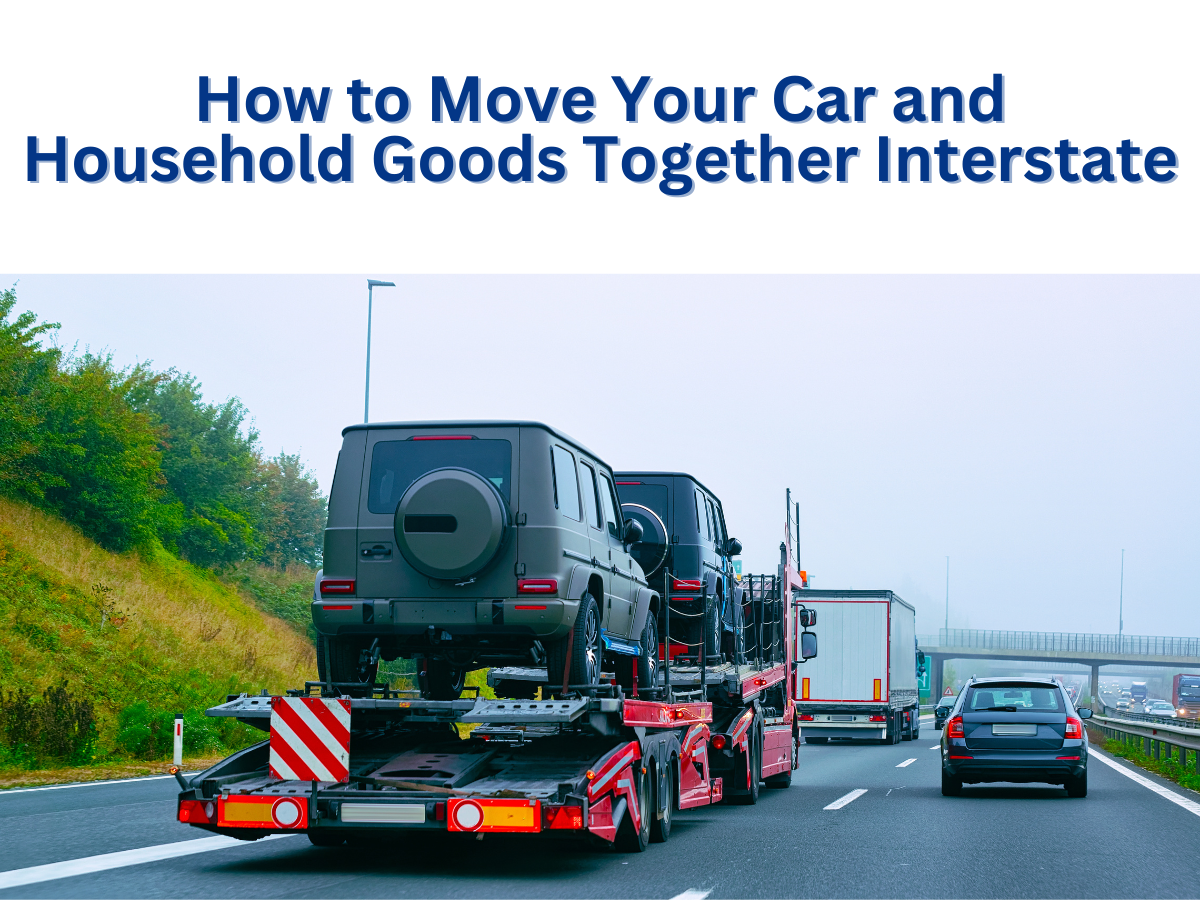
- Vehicles are transported by specialist vehicle carriers
- Both services are scheduled together for smoother timing and planning
Even when removalists assist with arranging vehicle transport, the car is usually handled by a dedicated vehicle transport provider, not loaded into the same truck as furniture.
This approach reduces risk, improves safety, and ensures appropriate insurance coverage applies to each part of the move.
Why Combining Household Goods and Vehicle Transport Is Not Recommended
Throughout interstate relocations, removalists avoid physically combining vehicles and household goods due to several factors:
Safety and Load Restraint Regulations
Interstate transport must comply with load restraint and road safety regulations. Vehicles require:
- Fixed anchoring points
- Wheel restraints
- Even weight distribution
Household goods do not provide the structural support needed to safely secure a vehicle, increasing the risk of movement or damage during transit.
Insurance Limitations
Most removalist insurance policies:
- Cover household goods only
- Exclude vehicles unless transported by approved carriers
- Do not cover damage caused by mixed or improperly restrained loads
Transporting items together may void insurance coverage altogether.
Increased Risk of Damage and Additional Costs
Attempting to combine transport can result in:
- Damage to vehicle panels, interiors, or undercarriage
- Crushed or damaged furniture
- Additional charges for specialist handling or last-minute unloading
For these reasons, combining transport is considered high risk and cost-inefficient.
Safer Options for Moving Your Car and Household Goods Interstate
Rather than combining items in one load, removalists and transport providers offer safer, proven alternatives.
Coordinated Removalist and Vehicle Transport Services
Many removalists can help coordinate vehicle transport Queensland-wide through trusted partners. This allows:
- Separate, purpose-built transport for each item type
- Aligned pickup and delivery schedules
- One point of planning rather than multiple bookings
This is the most common and recommended approach for long-distance moves.
Using a Dedicated Vehicle Transport Provider
Specialist car transport services offer:
- Door-to-door or depot-to-depot options
- Enclosed or open carriers, depending on vehicle type
- Appropriate restraints and insurance coverage
This is particularly common for car transport from Cairns to Brisbane, where distance and climate conditions require specialised handling.
Transporting Limited Items Inside the Vehicle (With Caution)
Some vehicle transport providers allow very limited personal items inside the car, but this:
- Is not always permitted
- May attract additional fees
- May not be covered by insurance
Heavy, loose, or valuable items are usually prohibited. Always confirm restrictions before booking, as this practice is not generally advised and increases the risk of damage.
Driving the Vehicle Separately
Another option is to:
- Drive your car yourself
- Let removalists handle household goods
This avoids vehicle transport costs but requires additional planning for long-distance travel, accommodation, and fatigue management.
Regulations and Restrictions to Be Aware Of
When moving interstate or within Queensland, several rules may apply:
- Dangerous goods (fuel, gas cylinders, flammable liquids) cannot be transported with household goods
- Loose items inside vehicles may be restricted by vehicle transport providers
- Biosecurity requirements may apply, particularly for vehicles entering Queensland from other states — cars may need to be clean and free from soil, plant matter, or organic debris
Failure to comply with these requirements can result in delays, additional cleaning costs, or refusal of transport.
Costs and Timing When Moving Car and Household Goods
Costs vary depending on:
- Distance and route
- Vehicle size and type
- Door-to-door vs depot options
- Seasonal demand
Coordinating vehicle transport alongside household removals can improve timing, but does not usually reduce cost by physically combining loads. In fact, attempting to combine transport often results in higher costs due to risk and compliance requirements.
When Coordination Makes Sense — Without Combining Loads
It can make sense to plan both services together, especially when:
- You want household goods and vehicle delivered around the same time
- You’re moving to or from regional or remote Queensland
- You want fewer logistics to manage
The key is coordination — not combining — to ensure safety, compliance, and insurance protection.
Final Thoughts: Plan Smart, Not Risky
While it may sound convenient, combining your car and household goods in the same transport is not advised. It increases risk, may breach transport regulations, and can lead to damage or unexpected costs.
The safest approach when planning interstate car transport and removalists is to:
- Use dedicated transport for each item type
- Coordinate timelines through experienced providers
- Confirm insurance, restrictions, and delivery windows early
With the right planning, moving house and car interstate can be efficient, compliant, and far less stressful.